
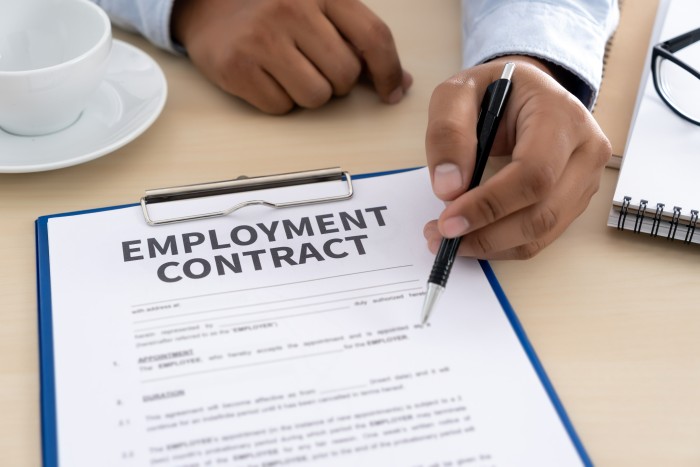
How to Draft an Employment Contract UK Employers Guide
How to Draft an Employment Contract – A well-written contract protects your business, clarifies expectations, and reduces the likelihood of disputes later. A poorly drafted one, however, can leave you exposed to misunderstandings, costly claims and operational headaches.
In my work advising employers across the UK, I regularly see contracts that were copied from old templates or downloaded online without being tailored to the business. While that might seem convenient, it often creates gaps that only become visible when a dispute arises.
An employment contract should reflect how your organisation actually operates. It must comply with employment law, remain flexible enough for business needs, and provide clarity for employees. Getting this right from the outset saves time, cost and frustration down the line.
Why getting your contract right matters
An employment contract does more than record salary and working hours as it defines the legal relationship between you and your employee. If the wording is unclear or inconsistent with how you manage staff, the contract may undermine your position during disciplinary processes, redundancy exercises or restructures.
Clear contracts also support fairness and transparency. Employees who understand their obligations and entitlements are less likely to raise grievances or misunderstand management decisions. This improves trust and stability across the business.
Importantly, contracts must reflect current law. Employment legislation evolves, and clauses that were once standard may no longer be appropriate. Regular reviews help ensure your documents remain fit for purpose.
If you are reviewing your documentation or drafting new contracts, getting free employment law advice for your business early can help you avoid costly mistakes.
How to Draft an Employment Contract: defining the essential terms
When considering How to Draft an Employment Contract, start with the core terms that every contract should contain. These include job title, duties, place of work, pay, working hours, holiday entitlement, notice periods and disciplinary rules.
These terms must be clear and consistent with how the business actually operates. For example, if you expect flexibility in working hours or location, this should be reflected explicitly. Ambiguity often creates disputes later when expectations differ between management and employees.
Employers should also ensure compliance with the requirement to provide a written statement of employment particulars. This document must be issued from day one of employment and forms part of the contractual relationship.
Clarity at this stage reduces the risk of misunderstandings and helps employees settle into their roles with confidence.
How to Draft an Employment Contract: flexibility without uncertainty
Many businesses need flexibility as they grow or adapt. Contracts can include flexibility clauses to allow changes to duties, working patterns or location where reasonable. However, flexibility should never be drafted so broadly that it becomes unpredictable or unfair.
Tribunals often scrutinise overly wide clauses that appear to give employers unrestricted discretion. In practice, reasonable and proportionate wording tends to be more enforceable and less likely to trigger disputes.
Flexibility is also important. Even where a clause exists, consultation and explanation remain important when implementing change.
External guidance from ACAS reinforces the importance of transparency and mutual understanding when employment terms evolve.

How to Draft an Employment Contract: protecting business interests
Contracts often include clauses designed to protect the business. These may cover confidentiality, intellectual property, post-termination restrictions and data protection obligations.
Restrictive covenants must be drafted carefully. If they are too wide or too long, they may not be enforceable. The focus should always be on protecting legitimate business interests rather than restricting competition unnecessarily.
Confidentiality clauses should define what information is protected and how it should be handled during and after employment. Clear drafting reduces the risk of misuse of sensitive information and makes enforcement more straightforward if issues arise.
These clauses should always be tailored to the employee’s role and seniority rather than applied uniformly across the workforce.
Common mistakes employers make when drafting contracts
Many issues arise not because employers intend to cut corners but because contracts are inherited from previous businesses or outdated templates. Typical problems include:
- Outdated clauses that no longer reflect current law or business practice.
- Ambiguous wording around hours, flexibility or bonus entitlement.
- Restrictive covenants that are unlikely to be enforceable.
Another common issue is inconsistency between the contract and workplace policies. If the handbook says one thing and the contract says another, disputes can arise over which document takes precedence.
Contracts should also align with actual practice. If your business routinely operates differently from what the contract states, the written terms may be undermined by custom and practice over time.
Updating contracts and managing change properly
Contracts should not remain static documents. As your business evolves, you may need to update terms to reflect new working patterns, technology or regulatory change.
Employers should consult employees when considering any contractual change, explaining the reasons for change, and obtaining agreement wherever possible. Imposing changes unilaterally can expose the business to breach of contract or constructive dismissal claims.
Clear communication and transparency help maintain trust during periods of change. Employees are more likely to accept change when they understand the rationale and impact.
Where changes affect multiple employees, a consistent and documented approach reduces risk and supports fairness across the workforce.
Conclusion
How to Draft an Employment Contract is not simply about filling in a template. It requires careful thought about how your business operates, how you manage people, and how you protect your commercial interests while remaining compliant with employment law.
Well-drafted contracts provide clarity, reduce disputes and support confident management decision-making. Where uncertainty exists, early professional input often prevents costly problems later.